Theoretically there’s no limit to how many rotors you can have on your drone. More rotors attached to more motors means more mechanical power. Overall drone size will be the natural limiting factor.
One propeller is enough for a fixed-wing drone, though it will cause instability because of rotational torque and lead to yaw. A pair of contra-rotating propellers can be used to counter this.
There are also unique designs for single-rotor copter drones that use servo motors to control air slats below the rotor to channel air in a direction that counters the rotational torque of the propeller.
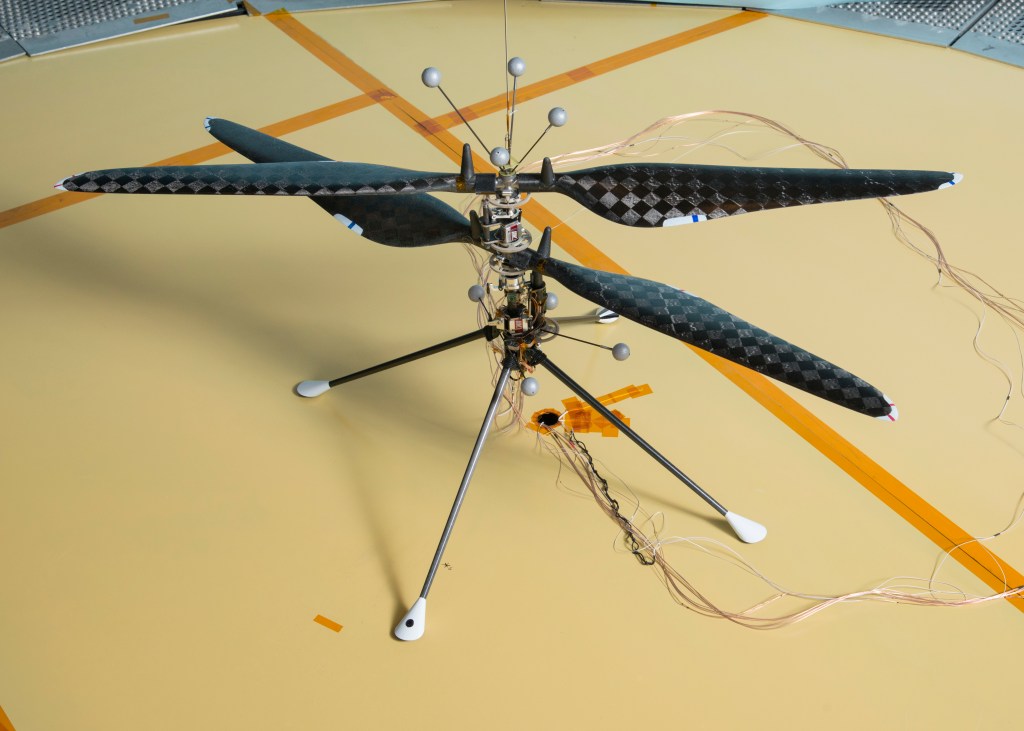
Additionally, there are two-rotor copter designs with contra-rotating rotors stacked on top of each other, as well as one clockwise-spinning rotor placed next to a counter-clockwise-spinning rotor, however this latter design is not as stable as the former.
Three-rotor copter designs exist but these have instability baked into them because practically there is always going to be an uneven balance of rotational torque: two propellers will be spinning clockwise, while one propeller is spinning counter clockwise (or vice versa).
Four rotors are typical because it’s the most basic design that optimizes stability.
To balance out the torque forces and provide increased stability, four rotors are generally a strong starting point for copter designs. Two spin clockwise and two spin counter clockwise.
From here adding additional rotors is usually done symmetrically in even numbers. Put another way, designs typically ensure there are always an equal number of rotors spinning clockwise as there are rotors spinning counter clockwise. Designing this way negates the rotational torque of the rotors.
There are plenty of drones with six rotors; even some with eight. Going above eight rotors starts to raise practical space and design considerations.
Adding rotors and motors beyond four can provide advantages like:
- More mechanical energy; more power to lift heavier loads
- Increased flight stability: beneficial for activities like photography, filming, and flying in windy conditions
Generally speaking, unless you’re using a drone for a specialized task that requires increased stability or lift, four rotors is a standard design to go with. Eventually space limitations will limit the number of rotors your drone can handle.
 DIY Drone Guy